



Talking Plastic: The advantages of plastic welding and the difference between acrylic and ploycarbonate machining
This month we put the spotlight on Plastic Design Inc., and we thought we’d further the insight by talking shop about what plastic weld manufacturing is, the advantages of working with plastic, and the differences between machining two common forms of material, acrylic and polycarbonate. Much of the following verbiage was originally presented in Plastic Design Inc.’s blog and repurposed with permission for the advantage of our Gateway Magazine readers. Let’s dive right in.
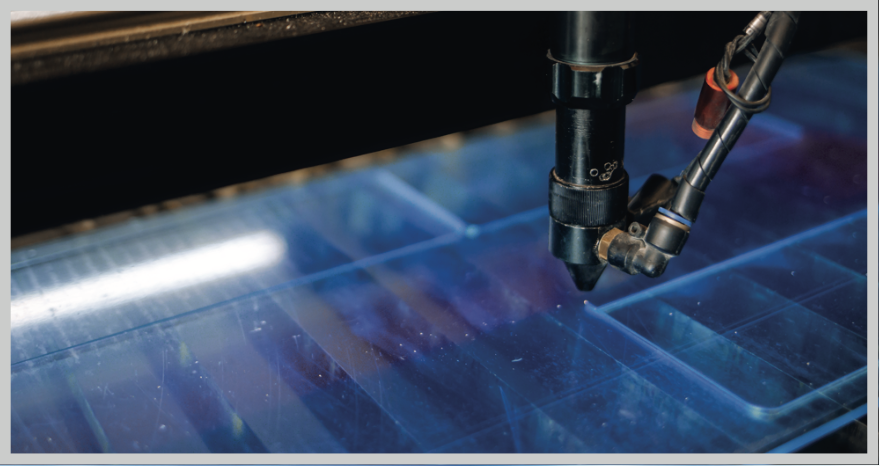
Plastic Welding Process
The use of thermoplastics in parts creates a demand for joining processes that can accommodate intricate joint lines. Plastic welding is a process similar to metal welding that creates a permanent, molecular bond between thermally sensitive components. Plastic welding eliminates the need for adhesives or mechanical fasteners to create a single part from multiple pieces. We’re certainly no stranger to the concept here, but it’s still an interesting study when it comes to taking a peek behind the curtain. One of the most common processes of plastic welding is by means of hot gas welding.
Hot gas welding is a process that joins thermoplastic materials using a hot-gas torch that directs hot air to the joint surface and weld rod. Once the materials have softened from the heat, the heated weld rod is pressed to the joint surface, bonding the materials together to complete the weld. This process is capable of bonding small and intricate components and is also ideal for repairs.
Advantages Of Plastic Welding
Plastic welding offers many advantages over other bonding processes, including:
- Cost-effective. Plastic welding eliminates the need for extra solvents, reduces energy outputs, and has a low cycle time, which increases productivity with lower costs per unit.
- Fast and clean. Since there is no weld flash with plastic welding, it is a safe, fast, and simple process. The end product has a cleaner look with invisible or nearly seamless lines.
- Highly versatile. No matter the size or geometry, plastic welding provides a huge range of versatility. Plastic welding can accommodate high- volume orders quickly.
- Permanent. The molecular bond created from plastic welding is permanent; therefore, you can be assured that any internal components remain safe and undisturbed.
- Works with almost all thermoplastic polymers. Very few thermoplastic polymers cannot be welded. If your company uses many thermally-sensitive plastics, plastic welding should be effective for nearly all of them.
Acrylic Machining Vs. Polycarbonate Machining
Acrylic and polycarbonate serve as the two most frequently used clear plastics, with both materials offering distinct advantages and disadvantages. Some industry professionals may find it difficult to choose between the two plastics for their unique machining applications. To facilitate this selection process, we put together the following dialogue that provides an overview of acrylic and polycarbonate, their advantages and disadvantages, and their typical applications.

Let's Start With Acrylic
Description:
- Transparent thermoplastic plastic
- Also referred to by the trade name Plexiglass
- Available in a wide range of colors and opacities
Advantages:
- High strength (4 to 8 times stronger than glass) • Superior clarity (making it a suitable alternative
to glass) - High durability (resistant to a broad range of temperatures, weathering, and UV radiation)
- Broad versatility (easily fabricated through a variety of techniques and bonded with adhesives and solvents)
- Low cost (less expensive to manufacture than other materials, including polycarbonate
Disadvantages
- More susceptible to cracking than polycarbonate
- More susceptible to chipping than polycarbonate
- Poor heat resistance (loses structural integrity at temperatures over 160-degrees Celsius and will warp or melt when exposed to open flame)

And Now On To Polycarbonate
Description:
- Naturally transparent thermoplastic
Available in several formulations including FDA compliant, glass filled, enhanced bearing, and wear grades
Advantages:
- Superior strength (200 times that of glass)
- Superior transparency (transmits light as effectively as glass)
- High durability (high-impact resistance)
- High machinability (easily manipulated and shaped using various fabrication processes)
- Minimal creep (less likely than other plastic materials to warp or deform under pressure)
Disadvantages:
- More susceptible to scratches than acrylic
- More susceptible to denting under impact than acrylic (due to greater flexibility)
- High costs (more expensive than acrylic)
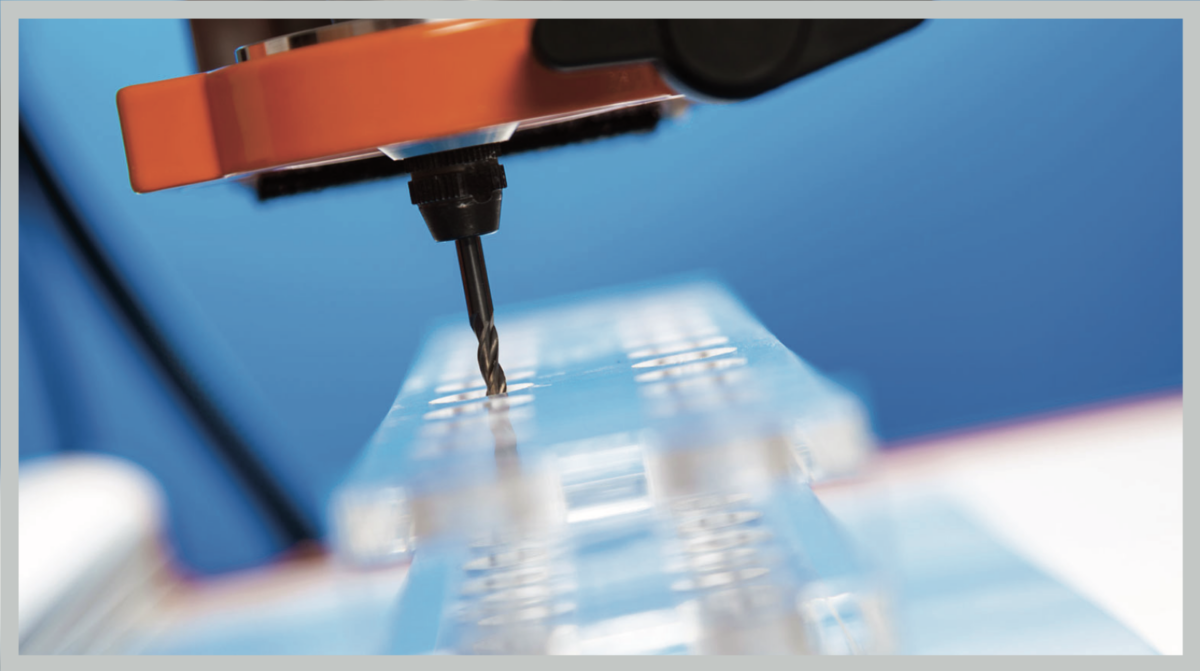
Common Product Applications For Acrylic And Polycarbonate
Due to their differing characteristics, acrylic and polycarbonate find use in varying product applications. Some of the most common products made from acrylic and polycarbonate include:
Acrylic:
- Aquariums, terrariums, and other animal enclosures
- Desiccators and dry boxes
- Glove boxes
- Lighting fixture lenses
- Radiation shields
- Retail fixtures
- Windows and glass alternatives
Polycarbonate:
- Architectural facades and features
- Bulletproof and bullet-resistant windows • Clear manifolds
- Face shields
- Machine safety glass
- Point-of-Purchase (POP) retail displays
- Sight glasses
Some of the most common uses for acrylic or polycarbonate machining include:
- Biomedical and pharmaceutical
- Cleanroom
- Storage equipment
- Semiconductor
- Recreational marine
The pros of polycarbonate and acrylic fabrications include:
- Shatterproof and impact resistance. Acrylic and polycarbonate materials are both shatterproof and exceptionally resistant to impact.
- Weather resistance. Both plastics are capable of enduring fluctuating temperatures, varying moisture levels, sunlight exposure, and other weather conditions.
- Lightweight. Both materials are lightweight, shatterproof, and transparent, making them excellent alternatives to glass.
- Color customization. Polycarbonate and acrylic can both be colored while still maintaining their transparency.
- Chemical resistance. Polycarbonate is resistant to a range of chemicals, including many acids.
- UV protection. Polycarbonate has an inherent UV filtering capability and is commonly used for eyewear manufacturing or outdoor applications.
- Electrical insulation. Polycarbonate is naturally a good electric insulator.
If you have any questions on the usage of acrylic and/or polycarbonate in machining and manufacturing processes, feel free to reach out to our friends at Plastic Design Inc. who were gracious enough to supply us with a lot of these thoughts. Their contact information can be found at the end of their company feature within the pages of this issue.
