


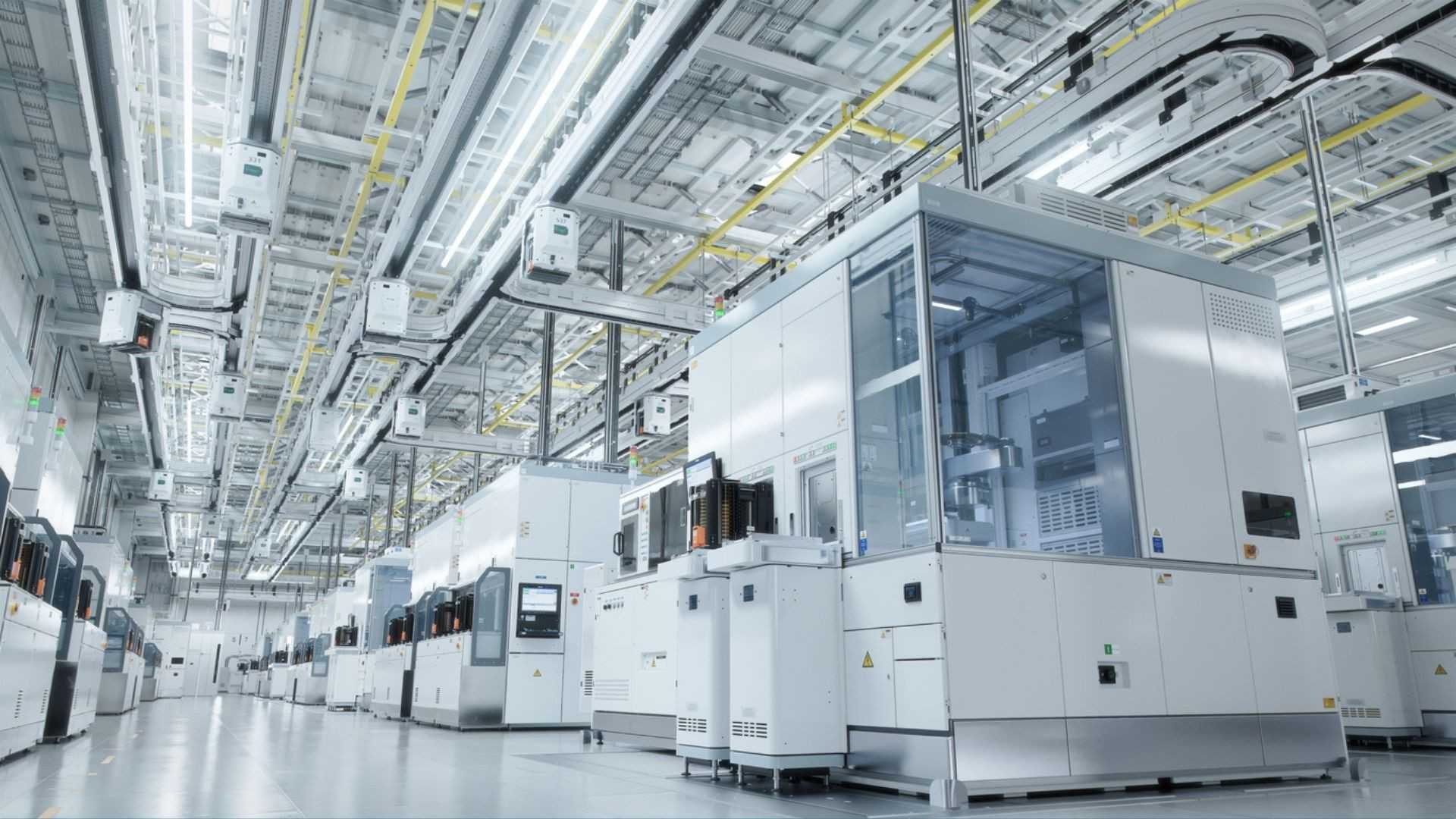
The manufacturing industry is entering a new era—one defined not only by automation, but by intelligence. Across North America, manufacturers are embracing digital technologies that connect machines, people, and processes in ways that were unimaginable just a decade ago. From real-time production monitoring to artificial intelligence and predictive maintenance, smart manufacturing is helping companies become more efficient, more resilient, and more competitive.
While large manufacturers were among the first to invest in Industry 4.0 technologies, today’s digital tools are becoming increasingly accessible to companies of every size. Cloud computing, lower-cost sensors, and scalable software platforms have reduced barriers to entry, allowing even small and mid-sized manufacturers to begin their digital transformation.
As global competition intensifies and customer expectations continue to evolve, manufacturers that embrace smart technologies will be better positioned to increase productivity, improve quality, and respond quickly to changing market demands.
Why Digital Transformation Matters
Increased Operational Efficiency
Manufacturing has always been focused on maximizing efficiency, but traditional methods often rely on historical reports and manual decision-making. Smart manufacturing changes that by providing real-time visibility into production.
Connected equipment continuously collects data on machine performance, cycle times, energy consumption, production rates, and downtime. Managers can immediately identify bottlenecks, monitor overall equipment effectiveness (OEE), and make informed decisions before small issues become major production problems.
The result is improved throughput, reduced waste, and higher overall productivity without necessarily increasing labor or capital equipment.
Addressing Labor Challenges
Manufacturers across many industries continue to face skilled labor shortages. As experienced employees retire, companies must find ways to maintain productivity while onboarding new workers more efficiently.
Digital technologies help bridge this gap by providing standardized work instructions, guided workflows, automated quality checks, and AI-assisted troubleshooting. Rather than replacing skilled employees, these tools capture institutional knowledge and make it more accessible to newer members of the workforce.
This allows experienced technicians to focus on higher-value activities while reducing training time for incoming employees.
Meeting Customer Expectations
Today’s customers expect shorter lead times, greater product customization, and complete transparency throughout the production process.
Smart manufacturing systems allow companies to respond more quickly to changing customer requirements while maintaining high quality standards. Real-time production data also improves communication with customers by providing accurate delivery estimates and production status updates.
In many industries, digital traceability has become an important competitive advantage, allowing manufacturers to document every stage of production from raw materials to final shipment.
Key Technologies Driving Smart Manufacturing
Several technologies are working together to transform modern manufacturing operations.
Industrial Internet of Things (IIoT) The Industrial Internet of Things connects machines, sensors, and equipment throughout the factory.
By collecting continuous operational data, IIoT systems provide valuable insights into equipment performance, production efficiency, environmental conditions, and energy usage. Information that once remained isolated within individual machines is now shared across entire facilities.
This connected environment allows manufacturers to monitor operations remotely while identifying opportunities for continuous improvement.
Artificial Intelligence and Machine Learning
Artificial Intelligence has rapidly evolved from an emerging technology into a practical business tool.
Machine learning algorithms analyze enormous amounts of production data to identify patterns that humans may overlook. AI can predict equipment failures, optimize production schedules, improve inventory planning, and even identify subtle quality issues before products reach customers.
As AI continues to mature, manufacturers are finding new opportunities to automate repetitive analysis while improving decision-making across every department.
Digital Twins
A digital twin is a virtual representation of a physical asset, production line, or manufacturing facility.
Unlike traditional simulations, digital twins continuously update using live operational data, allowing engineers to monitor performance and test improvements without disrupting production.
Manufacturers can evaluate new production methods, validate equipment upgrades, optimize plant layouts, and predict maintenance requirements in a virtual environment before implementing changes on the factory floor.
This significantly reduces risk while accelerating innovation.
Advanced Automation and Robotics
Industrial robotics have been used for decades, but today’s systems are far more flexible than earlier generations.
Collaborative robots, or cobots, are designed to safely work alongside employees, assisting with repetitive, physically demanding, or highly precise tasks. Automated material handling systems, robotic inspection stations, and autonomous mobile robots are also helping manufacturers improve efficiency while reducing workplace injuries.
Rather than replacing workers, these technologies enable employees to focus on skilled problem-solving, process improvement, and customer-focused activities.
Data as a Competitive Advantage
One of the greatest benefits of smart manufacturing is the ability to transform data into actionable business intelligence.
Manufacturers generate enormous amounts of information every day—from ERP systems and production equipment to quality inspections, maintenance records, inventory management, and customer orders.
When these systems operate independently, valuable insights often remain hidden.
Modern analytics platforms consolidate this information into centralized dashboards that provide leadership with a comprehensive view of operations.
Executives can identify production trends, monitor profitability by product line, evaluate supplier performance, forecast demand, and make faster strategic decisions based on accurate, real-time information.
Organizations that effectively leverage data are better equipped to improve operational performance while responding more quickly to market changes.
Cybersecurity in the Connected Factory
As manufacturing systems become increasingly connected, cybersecurity has become an essential component of digital transformation.
Operational technology (OT) networks that were once isolated are now frequently connected to enterprise systems and cloud-based applications. While this connectivity delivers tremendous operational benefits, it also creates new security considerations.
Manufacturers are investing in network segmentation, multi-factor authentication, endpoint monitoring, employee cybersecurity training, and continuous threat detection to protect both operational systems and intellectual property.
A strong cybersecurity strategy not only reduces operational risk but also builds customer confidence and supports regulatory compliance.
Preparing for the Future
Digital transformation is not a single project—it is an ongoing journey of continuous improvement.
Successful manufacturers often begin with targeted initiatives such as predictive maintenance, automated quality inspection, or production monitoring before expanding into more comprehensive smart factory strategies.
Equally important is investing in people. Technology delivers its greatest value when employees are empowered with the training and tools needed to use it effectively. Organizations that foster a culture of innovation, collaboration, and continuous learning are often the ones that realize the greatest return on their digital investments.
The manufacturers leading tomorrow’s economy will not necessarily be those with the largest factories or the newest equipment. They will be the organizations that combine skilled employees with intelligent technologies to make faster decisions, improve operational efficiency, and adapt confidently to an ever-changing marketplace.
Smart manufacturing is no longer a vision for the future—it is becoming the standard for manufacturers that want to remain competitive in an increasingly digital world. Those who begin investing today will be well positioned to navigate tomorrow’s challenges while building stronger, more resilient operations for years to come.
