



Magnetic Shielding: Protecting Interference And Keeping Modern, Everyday Technology Performance Optimal
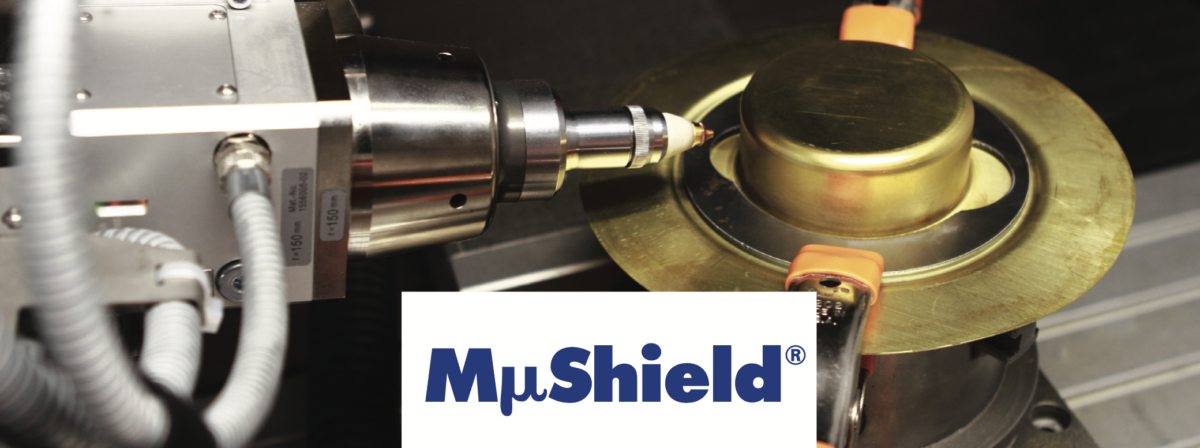
Alright, we’re welcoming back MuShield into the pages of The Gateway, who are here to tell you all about the magic of magnetic shields and what a critical part of contemporary manufacturing they are. Serving so much of our day-to-day technology, magnetic shields are all around us as working components of our daily lives that we may not even realize. But here we (and they) are.
First things first—the background:
In 1989, David Grilli and Bob Joy purchased the magnetic shielding division of the Gloucester, Massachusetts company BOMCO. David and Bob had experience running the division as the magnetic shielding applications engineer and plant operations manager (respectively) and were now the principal owners of the newly formed MuShield Company. Eventually, David and Bob moved the company to Goffstown, New Hampshire, and within 10 years, had turned the five-person business into a successful 20+ person magnetic shielding solutions and precision metal forming shop.
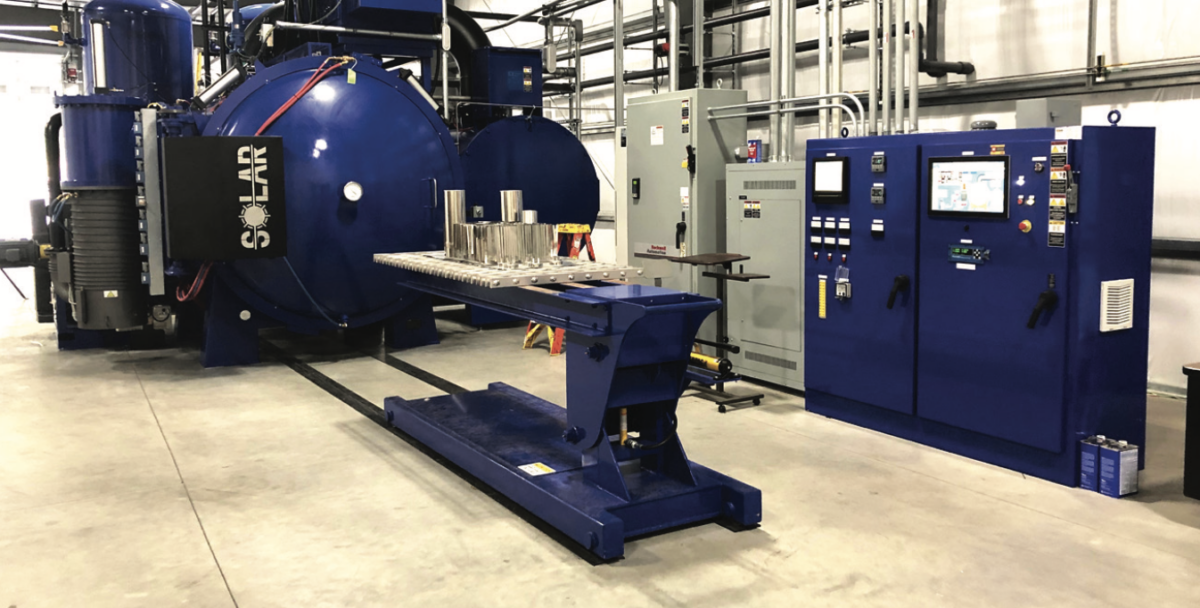
By the early 2000s, MuShield saw incredible company growth and outgrew their Goffstown building. In 2004, MuShield purchased a 19,000 sq. ft. building in Londonderry, New Hampshire. This additional plant space enabled the company to invest in larger machines such as an IPG LaserCube, Cincinnati Hydroform, Trumpf 5 Axis laser, Multi Axis Hurco Milling Center and a second hydrogen furnace (among other machines). The increase in floor space led to increased work capacity and allowed for MuShield to become more involved with larger and more diverse magnetic shielding applications.
Since the company’s inception, David and Bob have welcomed their sons Luke Grilli and Brett Joy into management roles. Following in their fathers’ footsteps, MuShield is a true family business.
MuShield and its principals have been an industry leader in magnetic shielding solutions for 40+ years and will continue and build on their tradition of success for decades to come.
MuShield was the first in the magnetic shielding industry to be ISO 9001 certified more than 10 years ago. With our latest ISO9001:2015 and AS9100D certifications, MuShield’s manufacturing operations are reliable, repeatable, and efficient.


And now, let’s dive into a high-level overview of all there is to know about magnetic shielding…
The MuShield Company got into the business of designing and fabricating magnetic shields because of our love and respect for the science that’s the driving force behind the industry and in serving our customers’ unique magnetic shielding needs. The projects that fuel the production of our day-to-day is an inspiring challenge that we thrive on. Let us harp for a moment on the fact that it is a challenge, and if you’re aligning yourself with a manufacturer that doesn’t have the experience of our core engineers and manufacturing personal at MuShield, you’re – for all intents and purposes – compromising the overall integrity of your distinctive application.

You see, magnetic fields can pose a problem for electronic equipment, and attempting to shield for these magnetic fields is not as simple and straightforward as it is, for say, electric fields.
A couple of “fun facts” about the difference between electric and magnetic fields:
- An electric field is a field of force, surrounding a charged particle, while a magnetic field is a field of force surrounding a permanent magnet, or a moving charged particle.
- The strength of an electric field is expressed in Newton’s per Coulomb, or Volts per meter, while a magnetic field strength is expressed in Gauss or Tesla.
- The force of an electric field is proportional to the electric charge, while the magnetic field is proportional to the electric charge as well as the speed of the moving charge.
- Electric and magnetic fields oscillate at right angles to one another.
Okay, back to our regularly scheduled program:
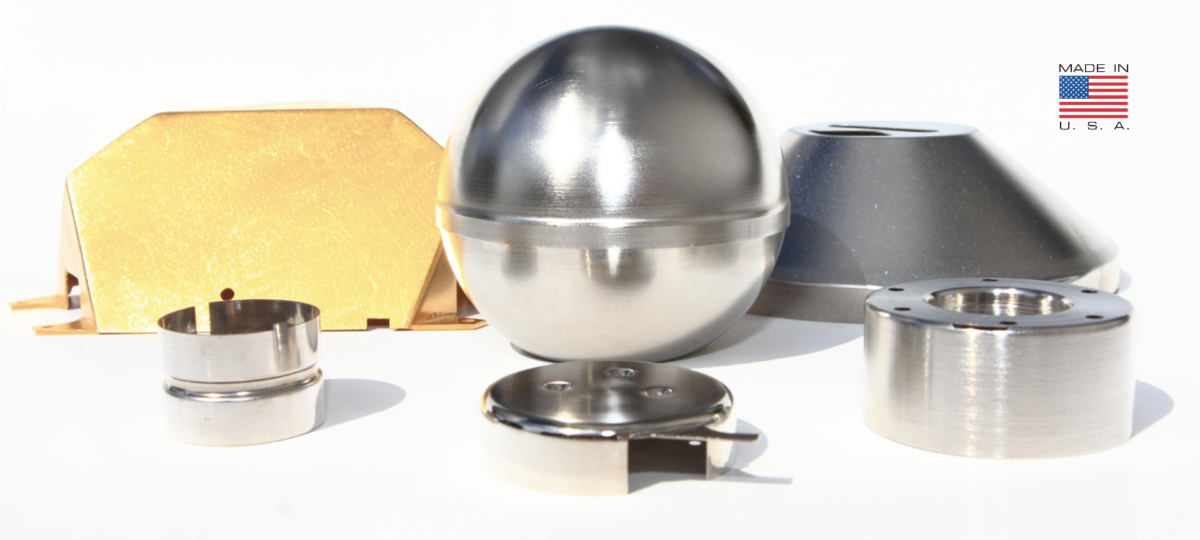
The truth is, no material has the ability to actually (technically) block magnetic fields without itself being attracted to the magnetic force. Magnetic fields, unlike electric fields, can only be redirected, thus, high permeability magnetic shielding materials such as mu metal, or those with the ability to support the formation of a magnetic field within the inherent properties of their own physical makeup are used to shield magnetic interference.

When using high permeability magnetic shielding material to build the applicable enclosure that will protect your electrical components in the presence of a magnetic field, said shield works by diverting the magnetic flux and drawing the magnetic field lines into the magnetic shielding material rather than them passing into the protected space. You can think of this process like a sponge absorbing water. The magnetic shielding material is absorbing the harmful electromagnetic interference that could cause a sensitive instrument to malfunction or render inaccurate data.
Said absorption is exactly why we do what we do as it is the primary driving force when creating shielding to protect your application from low frequency magnetic fields. Absorption is achieved through:
- The permeability of the material.
- The frequency of the incident wave.
- The thickness, or high permeability of the shield.

Be careful when it comes to considering what type of material to use when it comes to your magnetic shield. We may be slightly biased, but there’s great benefit in contracting with a team like the one that exists here at MuShield Company because we can strategically look at your unique situation and put together the exact solution – from the design phase to the construction and implementation phases.
For instance, the permeability of whichever unique material you consider is paramount when designing your custom magnetic shield. As an example, at an incidence at 100 kHz the high permeability of mu metal, is the magnetic shielding material of choice and is the most readily available of all the magnetic shielding alloys. Meeting industry specs ASTM A753 Alloy Type 4, and MIL-N-14411 Composition 1, mu metal is the magnetic shielding alloy that will distribute the highest permeability – High magnetic strengths can cause mu metal to become saturated, which varies based on application to application, but adding layers of high saturation materials such as Alloy 49 or cold rolled steel could solve that problem.
We are the magnetic shielding experts, so we are happy to take a look at your specific application and advise what magnetic shielding materials we feel would fit your needs best.
MuShield
9 Ricker Avenue
Londonderry, NH 03053
Phone: (888) 669-3539
Email: info@mushield.com
www.mushield.com
