


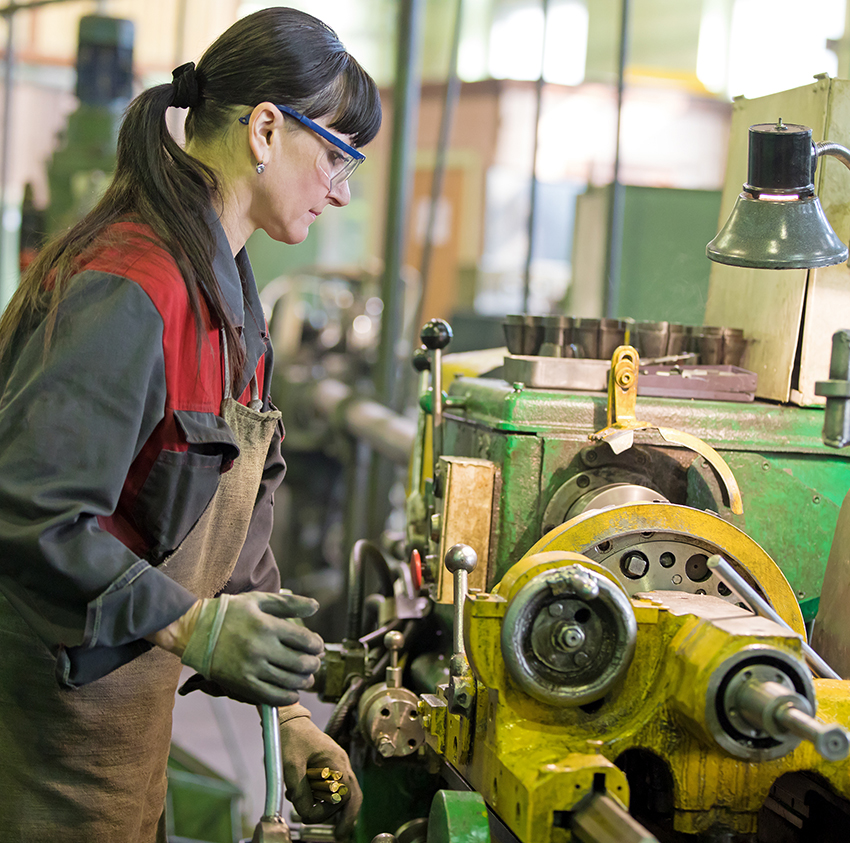
Women in the Manufacturing Industry
Manufacturing has been a male-dominated industry through and through. Many industries, like tech or medicine, began as male-dominated. As time went on, those industries shifted into a more equal split. Throughout the 20th century, the manufacturing industry began a shift to lessen the gender disparity but leveled off in the 1970s and hasn’t progressed again in the last five decades. Since the 1970s, the percentage of women in manufacturing has stayed around 30%, barely fluctuating. According to the 2017 United States Census, women make up nearly half of the working population in the U.S. but make up only one-third of the workforce in the manufacturing industry.
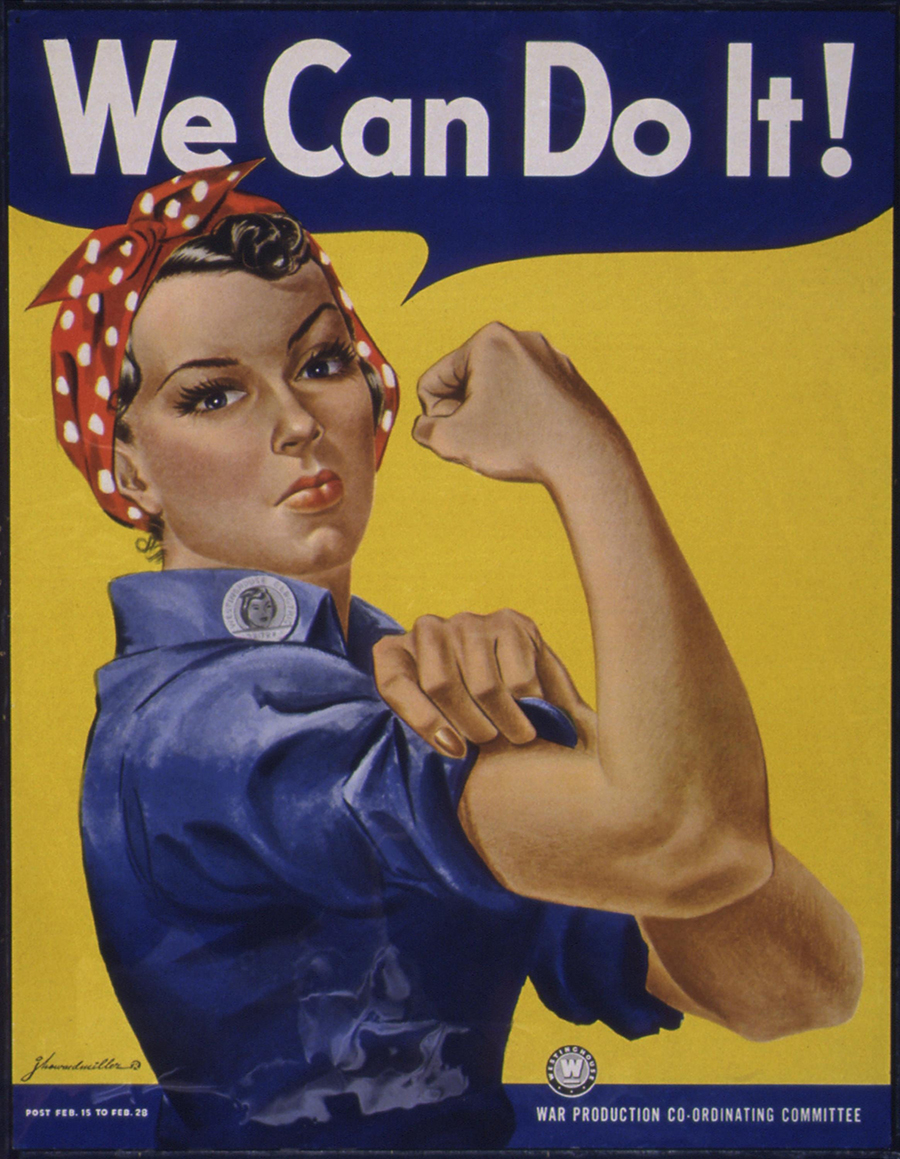
Within the industry, a variety of roles are distributed differently for males and females. For example, transportation and material moving is roughly 27% female and the rest male. This could be due to a various number of things like, the more obvious, safety. On the other hand, the sales and office roles in the industry are almost 52% women. This includes administrative assistants, sales representatives, customer services, and supply chain management.
So why is there a lack of equality in the more hands-on or technical roles?
Lack of visibility
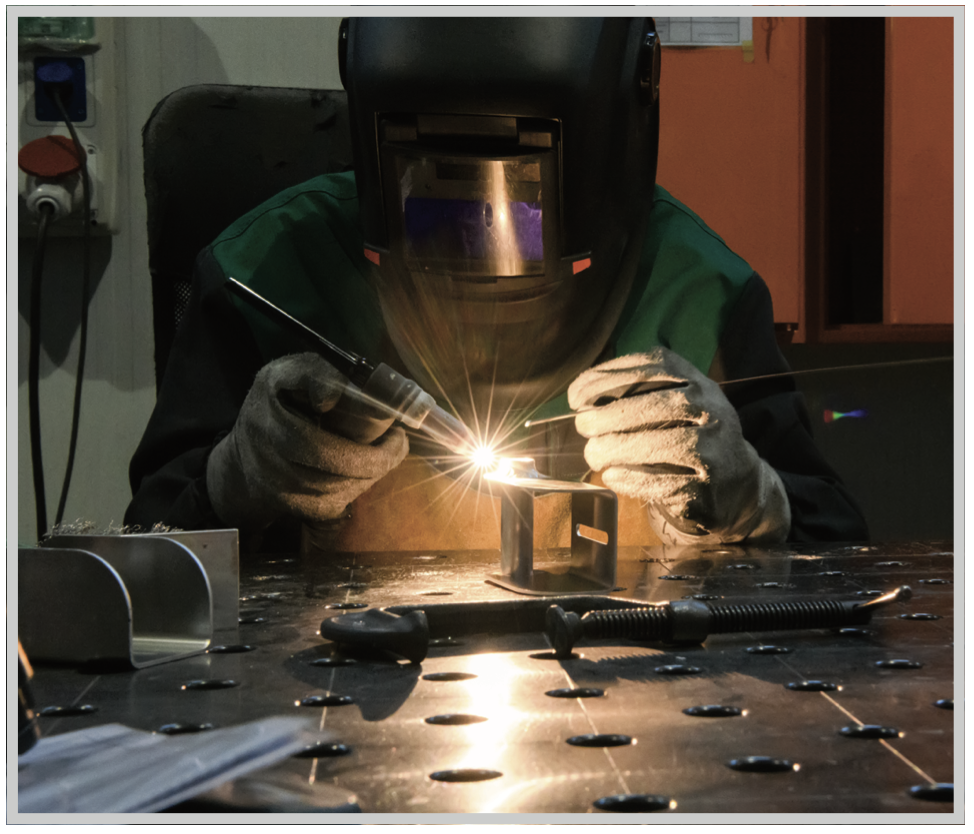
Starting in high school, women are less likely to be encouraged or informed about jobs in manufacturing. In 2017, Deloitte surveyed 600 women in manufacturing and conducted 20 executive interviews to research how well companies are recruiting, promoting, and retaining women in the manufacturing field. Deloitte’s study says that only 29% of women report they were actively or somewhat actively encouraged to pursue a career in manufacturing. Not only do young women not feel encouraged to pursue a career in manufacturing, but they also don’t know they even have the option to.
When pursuing a degree, women are also less likely to pursue a degree in science, technology, engineering, or mathematics (STEM). Even though the number of women who attend college has surpassed the number of men, there is still an underrepresentation of women in STEM. Technology is constantly advancing which means there is more of a need for workers with highly specialized skills in STEM. Encouraging women into degrees in STEM will directly increase the number of women who pursue careers in manufacturing.
Benefits of Women in Manufacturing
In the same Deloitte study, they found that gender diversity increased innovation, return on equity, and profitability for manufacturing companies. This also goes for diversity of all kinds. Having a range of ideas, skill levels, and mindsets can facilitate an open and creative workplace. A more inclusive work environment enables better business performance for all employees.
Keeping Women in Manufacturing
So why aren’t women staying when they begin careers in manufacturing? According to Deloitte, women cited many reasons for leaving the manufacturing space:
- Unattractive pay — 41%
- Lack of opportunities or promotion — 41%
- Poor working relationships — 39%
- Lack of work-life balance — 37%
- Lack of challenging assignments — 36%
Overall, women have less of a chance to advance their careers in manufacturing, less respect when it comes to work-life balance, and less pay.
In most industries, there is still a looming pay gap between men and women. In an industry that is only 30% women, there is even less of an incentive to close the gender pay disparity. When women are underrepresented in an industry, there is almost always a lack of space for women in that industry to grow within that company. Nearly 72% of women in manufacturing believe they are underrepresented in their organization’s leadership team. Without seeing someone like you in a position of authority or as an executive in a company, it perpetuates the glass ceiling holding women down. The biggest obstacle women face is the first step toward management.
A lack of a work-life balance is also a significant issue for women when pursuing a manufacturing career. According to research done by Gallup, women are actively looking for flexibility, inclusiveness, and respect in a job. Deloitte follows up and says that out of the 600 women, “Less than 15% of women surveyed believe the industry is accepting of family/personal commitments. Meanwhile, more than 40% of women are either responsible for the majority of or equally share responsibility for home responsibilities.” Women leave work every day to then go home to have a life as a mother or wife. They hold the majority of household responsibility which isn’t always respected by their companies.
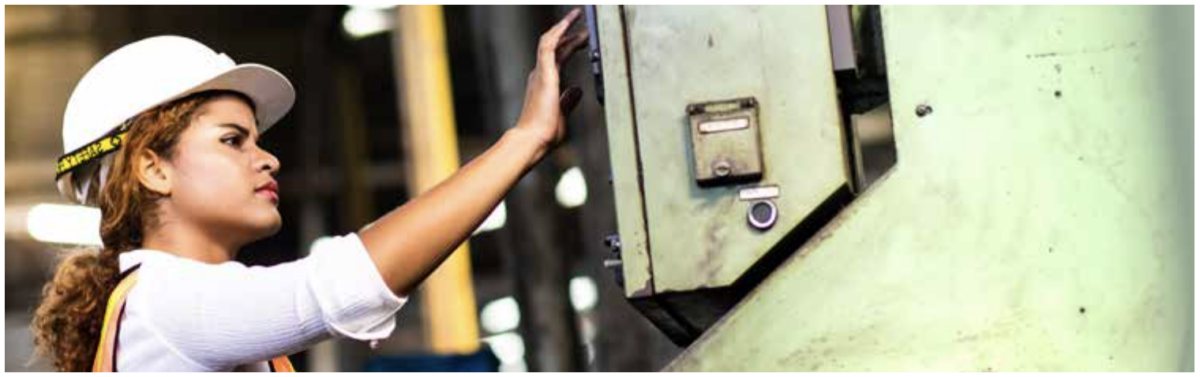
Future of manufacturing
There are nearly half a million jobs open in manufacturing right now. Hundreds of thousands of positions will go unfilled unless there are drastic changes to the composition of gender distribution in manufacturing. Women are a huge untapped talent pool when it comes to manufacturing jobs. Beginning to talk to and empower young women about manufacturing careers, will change the number of women applying for those half a million jobs.
The easy part is including women in the conversations; what happens after is the hard part—changing the system by giving leadership opportunities to qualified women and making the path to management as obtainable for women as it is for men. Holding men and women at an equal standard can open leadership roles for qualified people. This will hopefully create a domino effect for more women in leadership and manufacturing roles in general. The untapped potential of almost half the population can do more for any industry if there is a seat at the table.
