


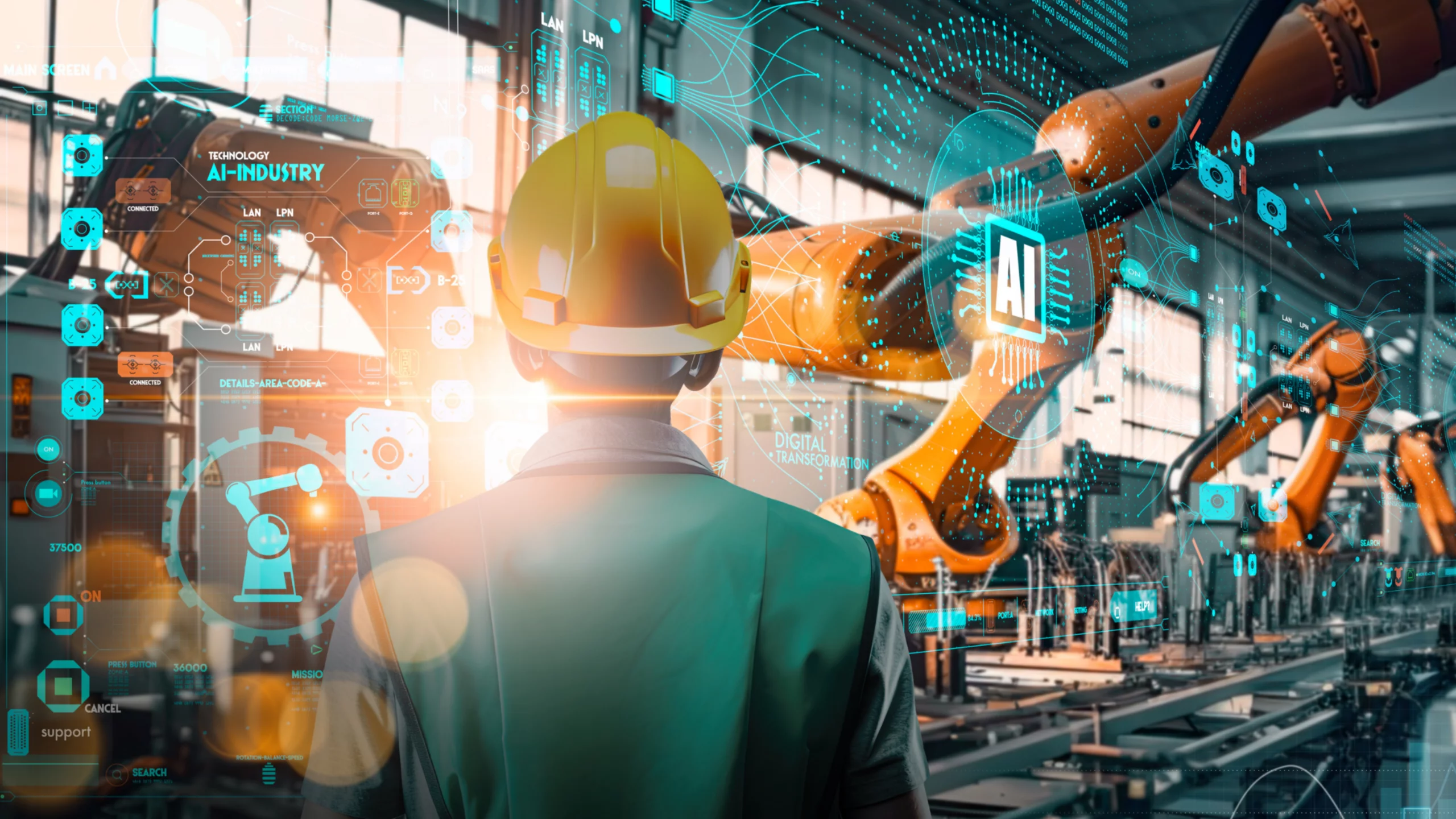
Across the Northeast and throughout the global manufacturing sector, industrial operations are becoming more connected, intelligent, and data-driven than ever before. The modern factory is no longer defined solely by machinery and production lines — it is increasingly powered by information. From predictive maintenance systems and automated quality control to supply chain visibility and real-time production analytics, industrial data is transforming how manufacturers operate, compete, and grow.
For manufacturers navigating rising operational costs, labor shortages, supply chain instability, and growing customer expectations, digital transformation is no longer optional. Companies that successfully leverage industrial data and connected technologies are positioning themselves to improve efficiency, reduce downtime, strengthen resiliency, and make faster, smarter business decisions.
Why Industrial Connectivity Matters
Real-Time Visibility
One of the greatest advantages of connected manufacturing systems is real-time operational visibility. Historically, manufacturers often relied on delayed reporting, manual inspections, or disconnected software systems to understand production performance. Today, sensors, machine monitoring systems, and connected software platforms allow manufacturers to monitor production continuously as it happens.
Factory managers can instantly identify bottlenecks, monitor machine performance, track material usage, and evaluate labor productivity from centralized dashboards. This level of visibility helps organizations react more quickly to production issues and make proactive decisions before small inefficiencies become major operational problems.
Reducing Downtime
Unplanned downtime remains one of the most costly challenges in manufacturing. A single equipment failure can delay production schedules, increase labor costs, and impact customer commitments. Connected industrial systems are helping manufacturers address this issue through predictive maintenance strategies.
By collecting data from machinery in real time, manufacturers can monitor vibration, temperature, pressure, cycle counts, and other performance indicators to identify early warning signs of equipment failure. Rather than waiting for a breakdown to occur, maintenance teams can schedule repairs proactively, reducing costly disruptions and extending equipment life.
For industries where uptime is critical — including aerospace, food processing, pharmaceuticals, and precision machining — predictive maintenance has become a major competitive advantage.
The Rise of Industrial IoT
The Industrial Internet of Things (IIoT) continues to play a central role in the evolution of smart manufacturing. IIoT refers to the growing network of connected machines, devices, sensors, and software systems that communicate and exchange data throughout industrial environments.
Modern IIoT systems allow manufacturers to gather enormous amounts of operational information from across their facilities. Sensors embedded in production equipment can monitor performance continuously, while cloud-based systems aggregate and analyze the data in real time.
For manufacturers in the Northeast, IIoT adoption is becoming increasingly common across sectors ranging from plastics and electronics to marine manufacturing and advanced materials. The ability to collect and analyze operational data at scale is helping businesses improve production efficiency, reduce waste, and gain greater control over their operations.
Artificial Intelligence and Advanced Analytics
Collecting industrial data is only part of the equation. The real value comes from turning that data into actionable insights. Artificial intelligence and advanced analytics platforms are allowing manufacturers to interpret massive datasets faster and more effectively than ever before.
AI-powered systems can identify patterns and anomalies that may not be immediately visible to human operators. These tools can optimize production schedules, improve inventory forecasting, enhance quality control, and identify hidden inefficiencies within manufacturing processes.
In quality assurance applications, AI-driven vision systems can inspect products with remarkable speed and precision, detecting defects that would be difficult or impossible to identify manually. In supply chain management, predictive analytics can help manufacturers anticipate material shortages, shipping delays, or changes in customer demand before they impact operations.
As AI technologies become more accessible, manufacturers of all sizes are beginning to incorporate advanced analytics into daily decision-making processes.
Cybersecurity in the Connected Factory
As industrial systems become increasingly connected, cybersecurity is emerging as one of the most important priorities in manufacturing. Connected equipment, cloud-based platforms, and remote access tools all introduce potential vulnerabilities that can expose manufacturers to operational disruption or data breaches.
Manufacturers are responding by investing in stronger cybersecurity frameworks designed specifically for industrial environments. This includes securing operational technology networks, implementing multi-factor authentication, training employees on cyber risks, and continuously monitoring connected systems for suspicious activity.
For manufacturers serving defense, aerospace, medical, or critical infrastructure industries, cybersecurity compliance is also becoming a contractual requirement. Protecting industrial systems is no longer solely an IT concern — it is essential to maintaining operational continuity and customer trust.
Workforce Transformation Through Technology
The rise of connected manufacturing is also transforming the industrial workforce. Employees increasingly interact with digital systems, analytics platforms, automated machinery, and connected production tools as part of their daily responsibilities.
This shift is creating growing demand for workers with skills in data analysis, automation, robotics, cybersecurity, and systems integration. Manufacturers are partnering with vocational schools, colleges, and workforce development organizations to help prepare employees for the next generation of industrial careers.
At the same time, connected technologies are helping improve workplace safety and efficiency. Wearable devices, augmented reality systems, and remote monitoring tools are helping employees work more safely while reducing training time and improving operational consistency.
The factories of the future will continue to rely heavily on skilled human expertise — but those roles will increasingly be supported by intelligent digital systems.
Building a More Agile Manufacturing Future
The manufacturing sector is entering a new era defined by connectivity, intelligence, and operational agility. Industrial data, IIoT systems, AI-driven analytics, and connected production environments are fundamentally reshaping how manufacturers operate in 2026 and beyond.
For manufacturers throughout the Northeast, the opportunity is significant. Companies that invest strategically in connected technologies can improve productivity, strengthen supply chain resilience, reduce downtime, and respond faster to changing market conditions.
The future of manufacturing will not be built solely on larger factories or faster machines. It will be built on the ability to turn information into insight — and insight into action. As connected manufacturing technologies continue to evolve, the manufacturers that embrace digital transformation today will be best positioned to lead the industrial economy of tomorrow.
