


The Northeast has long been recognized as one of America’s most influential manufacturing regions. From aerospace and precision machining to medical technology, food production, marine systems, and advanced materials, the region continues to prove that innovation and manufacturing excellence remain deeply connected. As we move through 2026, however, manufacturers across New England and the broader Northeast are facing a pivotal moment — one defined by rapid technological change, shifting labor dynamics, rising operational costs, and increasing global competition.
The next generation of manufacturing is no longer a future concept. It is happening now on factory floors from Connecticut to Maine. Companies that embrace modernization, workforce investment, and operational agility are positioning themselves to thrive in an increasingly data-driven industrial economy.
1. The Smart Factory Becomes Standard
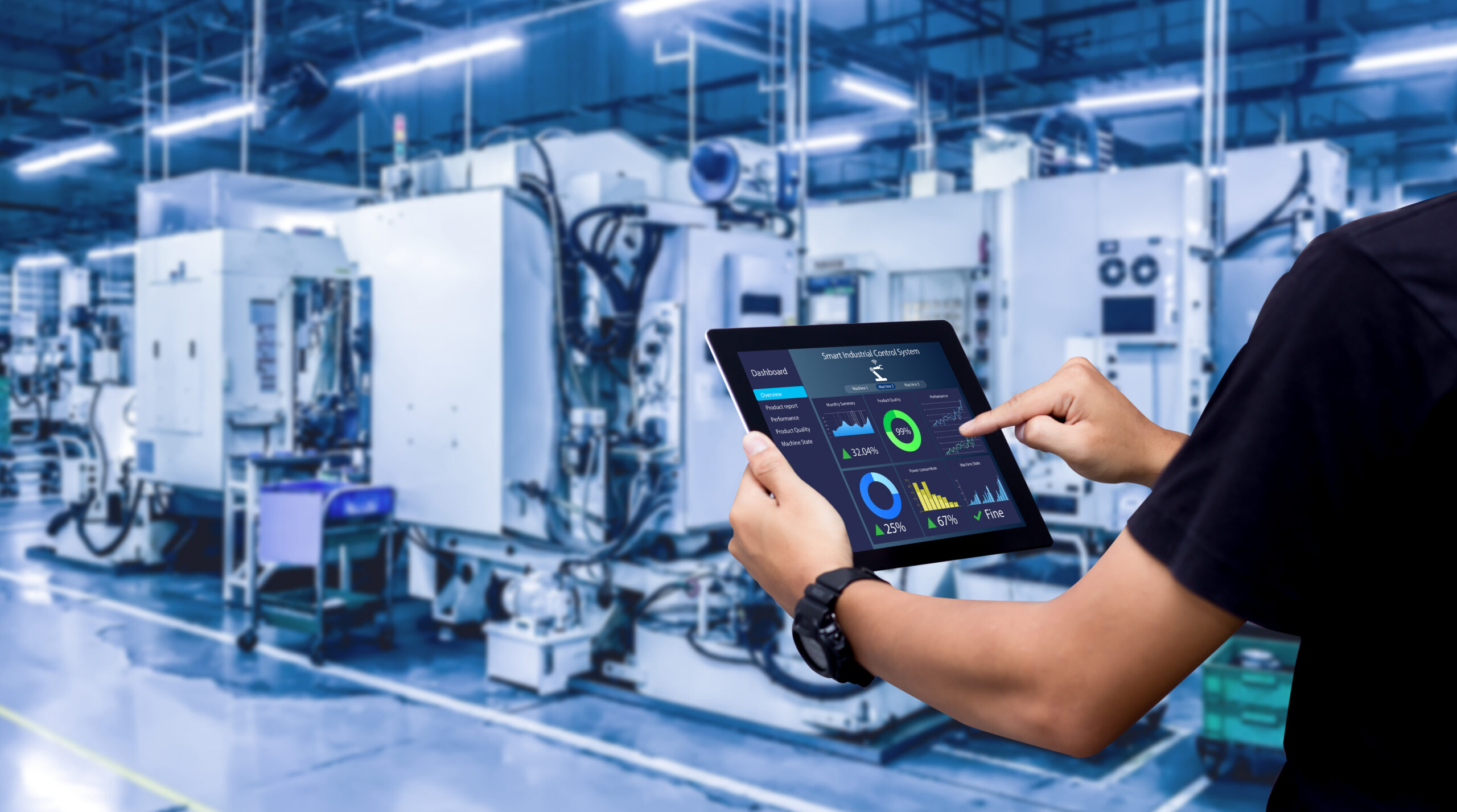
Manufacturing facilities throughout the Northeast are rapidly evolving into connected “smart factories,” where machines, sensors, software, and operators communicate continuously in real time. What once required manual oversight can now be monitored through centralized digital systems that track production, energy use, machine performance, and inventory simultaneously.
Advanced sensor technology and industrial automation are allowing manufacturers to identify inefficiencies instantly. Equipment that previously failed without warning can now alert operators before a breakdown occurs, dramatically reducing downtime and maintenance costs. Production lines can automatically adjust based on throughput demands, material availability, or quality control metrics.
For Northeast manufacturers competing in high-precision industries such as aerospace, defense, and medical devices, this level of operational visibility is becoming essential. Smart manufacturing is not only improving productivity — it is enabling companies to maintain tighter tolerances, improve consistency, and respond faster to customer demands.
2. Artificial Intelligence Expands Beyond Data Analysis
Artificial intelligence is quickly becoming one of the most transformative technologies in modern manufacturing. While AI was initially viewed primarily as a tool for analyzing large datasets, manufacturers are now integrating AI directly into production, logistics, scheduling, and quality assurance operations.
In many Northeast facilities, AI-driven vision systems are already being used to inspect components at speeds and accuracy levels beyond human capability. These systems can identify microscopic defects, inconsistencies, or deviations in real time, helping manufacturers reduce waste and improve product reliability.
AI is also reshaping production planning. Predictive algorithms can evaluate demand trends, supplier lead times, workforce availability, and machine capacity simultaneously to optimize scheduling decisions. This allows manufacturers to become significantly more agile in volatile market conditions.
For smaller regional manufacturers, cloud-based AI tools are becoming increasingly accessible, eliminating the need for massive infrastructure investments. As adoption accelerates, AI will continue to shift from a competitive advantage to an operational necessity.
3. Energy Efficiency and Sustainability Drive Investment
Sustainability initiatives are no longer limited to large multinational corporations. Across the Northeast, manufacturers of all sizes are prioritizing energy efficiency and environmental responsibility as both economic and strategic imperatives.
Rising utility costs and stricter environmental regulations are driving investments in energy-efficient equipment, solar integration, heat recovery systems, and intelligent building controls. Many facilities are also implementing closed-loop recycling systems that reduce material waste and improve long-term cost stability.
In sectors such as plastics, metal fabrication, and packaging, manufacturers are increasingly redesigning products and processes to reduce environmental impact while maintaining profitability. Customers and supply chain partners are also placing greater emphasis on sustainability metrics when selecting vendors.
For Northeast companies, sustainability is becoming directly tied to competitiveness, particularly as government contracts and enterprise procurement standards continue to evolve around carbon reduction goals and environmental transparency.
4. Regional Manufacturing Networks Grow Stronger
The supply chain disruptions of recent years fundamentally changed how manufacturers approach sourcing and logistics. In response, many Northeast businesses are strengthening regional supplier relationships and reducing dependence on distant overseas production networks.
This shift is creating new opportunities for domestic manufacturing partnerships throughout New England and neighboring states. Companies are increasingly prioritizing suppliers that offer geographic proximity, faster lead times, and greater operational transparency.
Localized supply chains also improve resilience during transportation disruptions, geopolitical instability, or global shortages. Manufacturers can collaborate more closely with nearby vendors, accelerate product development cycles, and respond faster to changing market conditions.
As reshoring and nearshoring efforts continue to expand nationwide, the Northeast’s concentration of skilled labor, technical expertise, and established industrial infrastructure positions the region as a critical hub for advanced manufacturing growth.
5. Workforce Development Becomes a Strategic Priority
One of the greatest challenges facing the manufacturing sector in 2026 remains workforce development. As experienced workers retire and technology rapidly evolves, manufacturers are investing heavily in training, recruitment, and technical education partnerships.
Today’s manufacturing workforce requires a blend of traditional mechanical knowledge and digital competency. Employees increasingly work with robotics, automated systems, analytics platforms, and connected machinery alongside conventional manufacturing equipment.
To address this shift, manufacturers across the Northeast are partnering with vocational schools, community colleges, and universities to create specialized training programs and apprenticeships. Many companies are also investing internally in continuous education initiatives designed to help existing employees adapt to emerging technologies.
Modern manufacturing careers now offer opportunities in automation engineering, robotics maintenance, industrial cybersecurity, data analysis, and advanced machining — fields that combine technology with hands-on problem-solving. Attracting younger workers into these careers will be essential for sustaining long-term regional growth.
6. Cybersecurity Emerges as a Manufacturing Imperative
As factories become more connected, cybersecurity is rapidly becoming one of the most critical operational concerns in industrial manufacturing. Production equipment, supply chain systems, and cloud-based manufacturing platforms are increasingly vulnerable to cyber threats that can disrupt operations or compromise sensitive data.
Manufacturers throughout the Northeast are implementing stronger cybersecurity protocols to protect both operational technology and business systems. This includes network segmentation, employee training, multi-factor authentication, and continuous monitoring of industrial control systems.
For industries tied to defense, aerospace, and critical infrastructure, cybersecurity compliance is now mandatory for maintaining contracts and regulatory approval. Even smaller manufacturers are recognizing that cybersecurity is no longer solely an IT issue — it is a core component of operational continuity and business resilience.
Building the Next Generation of Northeast Manufacturing
The Northeast manufacturing sector has always adapted through innovation, technical expertise, and resilience. In 2026, those qualities are more important than ever. Smart factories, AI-driven operations, sustainable production, regional supply chains, workforce transformation, and cybersecurity are collectively reshaping the industrial landscape.
The manufacturers that succeed in this next era will not simply be those with the largest facilities or lowest costs. They will be the companies that embrace agility, invest in technology, empower their workforce, and build resilient operations capable of evolving alongside an increasingly complex global economy.
The future of manufacturing in the Northeast is already taking shape — and the region remains uniquely positioned to lead it.
