



Here in the northeast, a long-standing manufacturing powerhouse, we’ve been faced with a pressing challenge: a growing skills gap within our manufacturing industry. This gap, exacerbated by demographic shifts, technological advancements, and a lack of awareness about manufacturing careers, threatens the region’s economic vitality. To address this issue, a multifaceted approach is needed to attract, train, and retain a skilled workforce. Collectively we can get there, but it’s going to take some time, some attention, and some dedication to collaborating on properly promoting the livelihood that can be created working within our industry.
The Challenges of the Skills Gap
The skills gap in northeast manufacturing is a complex problem with multiple contributing factors. One major challenge is the demographic shift of the region’s workforce. As baby boomers retire, there is a shortage of experienced workers to fill critical roles. Additionally, the nature of manufacturing jobs has evolved, requiring new skills in areas such as automation, robotics, and computer-aided design (CAD). This mismatch between the skills of the available workforce and the demands of modern manufacturing has created a significant skills gap.
Another factor contributing to the skills gap is a lack of awareness about manufacturing careers among young people. Many perceive manufacturing jobs as low-paying, repetitive, and unsatisfying. This negative perception is often perpetuated by outdated stereotypes and a lack of exposure to modern manufacturing facilities. As a result, fewer young people are choosing to pursue careers in manufacturing, further exacerbating the skills shortage. What’s interesting in, the manufacturing industry offers highly competitive salaries and benefits that can surpass the options granted to students graduating from a typical college/university engagement. In other words, it’s easier to find a job out of a trade school or mentorship and realize independence and growth in a more streamlined fashion. Further, the overhead as far as student loans, etc., is significantly minimized.
Geographic Disparities
The skills gap may vary significantly across different regions within the Northeast, with some areas facing more severe challenges than others. For example, rural areas may have limited access to educational resources and job opportunities, while urban areas may face competition from other industries for skilled workers. This geographic variation requires tailored solutions to address the specific needs of each region.
Industry-Specific Needs
The skills required for manufacturing jobs can vary widely depending on the industry and specific role. This means that training programs must be tailored to meet the specific needs of different industries and job functions. For example, workers in the automotive industry may need to be skilled in assembly, welding, and quality control, while workers in the aerospace industry may need to be skilled in engineering, materials science, and precision manufacturing.
Competition from Other Industries
The manufacturing industry faces competition from other sectors, such as technology and healthcare, for skilled workers. This makes it even more challenging to attract and retain talent. To compete effectively, manufacturing companies must offer competitive wages, benefits, and opportunities for growth and development.
Strategies for Developing a Skilled Workforce
To address the skills gap, a comprehensive approach is needed that involves collaboration between industry, education, and government. One key strategy is to strengthen partnerships between manufacturers and educational institutions. By working together, these organizations can develop relevant training programs that align with the needs of the industry. Apprenticeships, internships, and cooperative education programs can provide students with hands- on experience and help them develop the skills they need to succeed in manufacturing careers.
In addition to formal education and training, workforce development initiatives can play a crucial role in closing the skills gap. Government programs and incentives can support job training, retraining, and upskilling initiatives. Industry-led training programs can provide workers with the opportunity to learn new skills and advance their careers. Community colleges and vocational schools can offer affordable and accessible training programs for individuals seeking to enter or advance in manufacturing.
Attracting talent to the manufacturing industry is another important challenge. Promoting manufacturing careers through outreach programs, job fairs, and social media can help to change perceptions and attract young people to the industry. Creating a positive workplace culture, offering competitive wages and benefits, and emphasizing opportunities for growth and advancement can also help to attract and retain talented workers.
Addressing diversity and inclusion within the manufacturing workforce is also critical. Creating inclusive workplaces and attracting a diverse talent pool can help to ensure that the industry has access to a wide range of skills and perspectives. Mentorship programs and diversity initiatives can help to support the career development of underrepresented groups and create a more equitable workplace.
The Role of Technology in Closing the Skills Gap
Technology can play a significant role in addressing the skills gap in manufacturing. Advanced technologies such as automation, robotics, and artificial intelligence (AI) can help to improve productivity, efficiency, and quality. However, these technologies also require workers with new skills, such as programming, data analysis, and maintenance. By investing in training and upskilling workers in these areas, manufacturers can ensure that their workforce is equipped to meet the challenges of the future.
Public-Private Partnerships
Public-private partnerships can help to develop and implement innovative solutions to the skills gap. For example, government agencies can provide funding for training programs, while industry can provide expertise and resources. Partnerships can also help to ensure that training programs are aligned with the needs of the industry.
Mentorship Programs
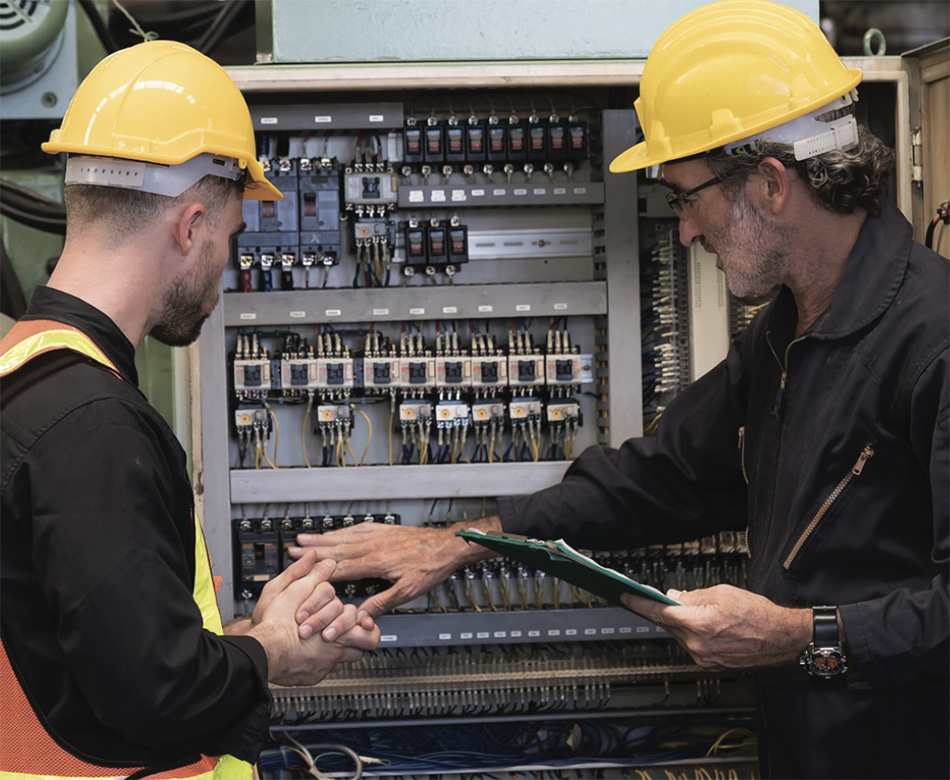
Mentorship programs can provide young people with guidance and support as they pursue careers in manufacturing. Mentors can help mentees to understand the industry, develop their skills, and navigate the job market.
Workforce Development Centers
Workforce development centers can offer a variety of services to help individuals acquire the skills they need to succeed in manufacturing careers. These services may include job training, career counseling, and job placement assistance.
Employer Branding
Manufacturing companies can improve their employer brand to attract and retain talented workers. This involves creating a positive workplace culture, offering competitive compensation and benefits, and emphasizing opportunities for growth and development.
The Impact of COVID-19
The COVID-19 pandemic has had a significant impact on the manufacturing industry, including disruptions to supply chains and a decline in demand for certain products. These factors may have further exacerbated the skills gap. As the economy recovers from the pandemic, it will be important for manufacturers to invest in training and development to ensure that their workforce is equipped to meet the challenges of the future.
The Importance of Lifelong Learning
As technology continues to evolve, it is essential for manufacturing workers to engage in lifelong learning. This can include taking online courses, attending conferences, and participating in professional development programs. By investing in lifelong learning, workers can stay up-to-date on the latest trends and technologies, and improve their career prospects.
The Role of Government Policy
Government policies can play a crucial role in supporting the manufacturing industry and addressing the skills gap. This includes providing tax incentives, investing in infrastructure, and supporting education and training initiatives. By creating a favorable business environment, governments can help to attract and retain manufacturing jobs, and ensure that the industry has access to a skilled workforce.
In Conclusion
The skills gap in Northeast manufacturing is a significant challenge that must be addressed to ensure the region’s economic competitiveness. By implementing a comprehensive approach that involves collaboration between industry, education, and government, it is possible to develop a skilled workforce and attract talent to the manufacturing sector. By investing in education, training, and workforce development, the Northeast can position itself as a leader in advanced manufacturing and create a more prosperous future for its citizens.
