



Technology continues to revolutionize the manufacturing industry, bringing new levels of efficiency, productivity, and competitiveness. The integration of automation, 3D printing, augmented reality (AR) and virtual reality (VR), the Internet of Things (IoT), and blockchain is transforming the way products are designed, produced, and shipped. Let’s explore each of these technological advancements and their impact on the manufacturing industry.
Automation
Automation has been one of the most significant technological advances in manufacturing. Automated machines have improved efficiency and productivity, allowing manufacturers to produce products faster and with greater precision. These machines can perform tasks that were previously done by humans, resulting in fewer errors and increased consistency. Additionally, automation has made manufacturing jobs safer by removing the need for workers to perform dangerous tasks.
For example, automotive companies are increasingly using robotic machines to assemble cars. These machines can perform tasks such as:
- Cutting
- Forming
- Assembling
- Welding
- Painting
- Screwing
- and More
This results in faster production times and bolstered quality with fewer defects due to human variables. Manufacturers are also using artificial intelligence (AI) to optimize processes and reduce costs. AI- powered machines can analyze data to identify and fix inefficiencies in production.
3D Printing
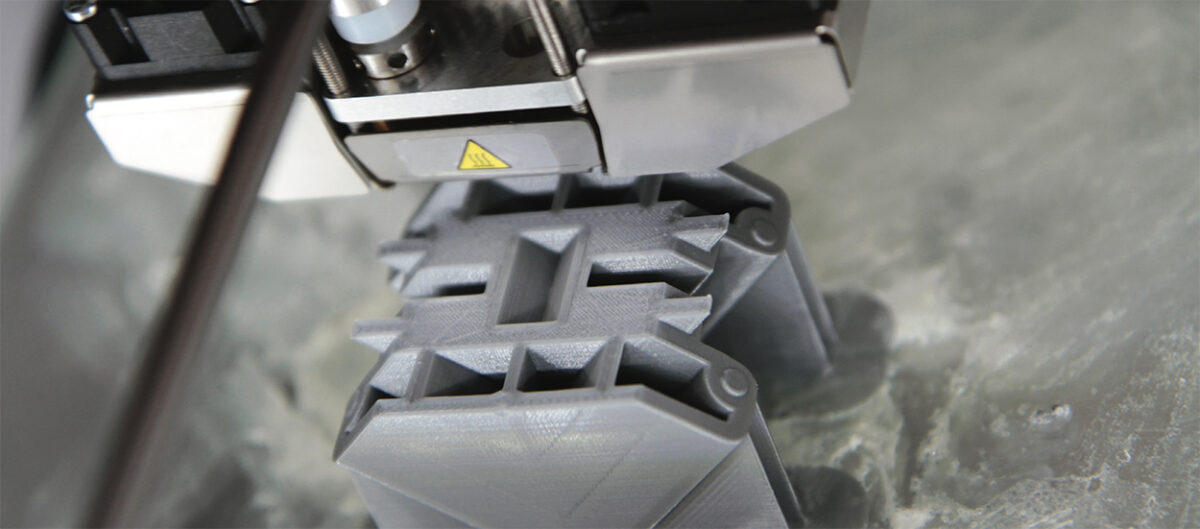
3D printing, also known as additive manufacturing, has transformed the manufacturing industry by allowing manufacturers to produce complex parts and components easily. Unlike traditional manufacturing, which involves subtracting material from a larger block, 3D printing builds objects by adding layers of material on top of each other. This process allows manufacturers to create complex shapes and designs that would be difficult or impossible to achieve with traditional manufacturing methods.
For example, medical device companies are using 3D printing to create customized prosthetics and implants that fit individual patients perfectly. Aerospace manufacturers are using 3D printing to reduce the weight of aircraft by creating parts with intricate designs that can only be produced with additive manufacturing.
Benefits of 3D printing include:
- Prototype and tooling production on-demand, leading to faster turnaround times on parts and projects.
- Reduced costs for producing custom or low-volume parts by eliminating tooling costs and reducing the amount of material waste.
- Offers a wider range of design freedom and flexibility, leading to quicker design iterations and changes.
- Increases efficiency by allowing the manufacturer to print complex parts all at once instead of producing each part individually.
- Provides the ability to print parts using various materials, including metals, plastics, and even composites.
3D printing provides job shops a new and innovative way to meet the demands of their customers without the need for costly tooling and reducing lead times. It also provides an opportunity to create more efficient and higher-quality parts than before.
Augmented Reality (AR) and Virtual Reality (VR)
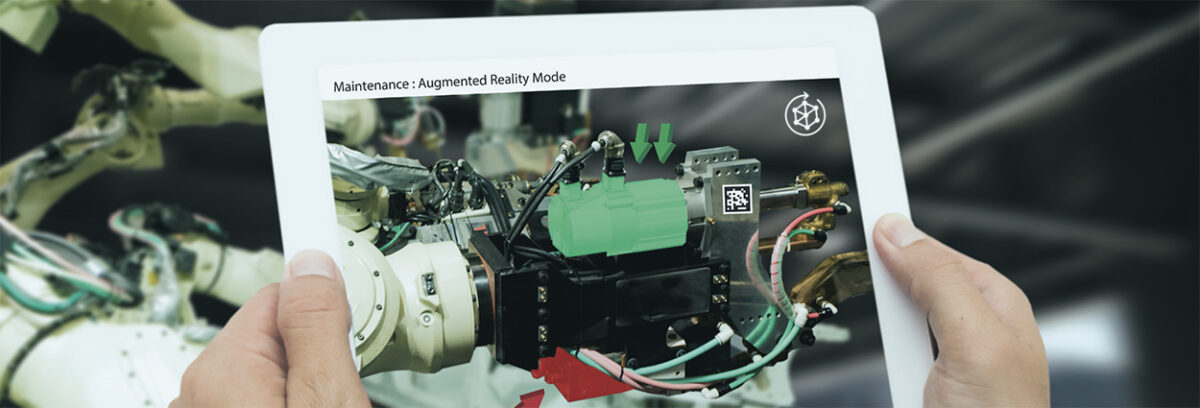
AR and VR have enormous potential in the manufacturing industry by allowing workers and engineers to visualize products and processes in a virtual environment. AR and VR can help workers reduce errors in manufacturing by providing them with a visual guide to follow. Additionally, AR and VR can help engineers and designers collaborate more effectively by allowing multiple team members to view and manipulate a design simultaneously.
Manufacturers are using AR and VR to create virtual prototypes to test before building physical prototypes.
Benefits of Augmented Reality (AR):
- Improved quality control by providing real-time information and feedback to workers.
- Provides more efficient training for a new workforce.
- Faster production and assembly times by providing real-time information on the assembly process.
- Increased safety by providing real-time information to workers, reducing errors and accidents.
- Facilitates the visualization of the end product in the design phase, allowing the manufacturer to make changes before the production of the actual product.
Benefits of Virtual Reality (VR):
- Improved product design by allowing manufacturers to view product designs in a virtual environment.
- Provides a platform for engineers and designers to collaborate in real time.
- Reduced cost because manufacturers can test product designs before creating physical prototypes.
- Provides a faster way to train workers by allowing them to train in virtual environments and situations.
- Allows for observation and optimization of the manufacturing process.
Overall, AR and VR are revolutionizing the manufacturing industry by providing manufacturers with new and innovative ways to become more efficient in the design, production, and assembly of products as well as the training of the workforce.
The Internet of Things (IoT)
The Internet of Things (IoT) is having a significant impact on the manufacturing industry. IoT refers to the interconnectivity of devices, machines and systems using the internet, which allows them to communicate and exchange data. In the manufacturing industry, IoT is being used to improve efficiency, productivity, and quality control.
One of the main advantages of IoT in manufacturing is the ability to gather real-time data from machines and equipment. This data can be used to monitor the performance of machines and equipment, identify potential issues, and predict when maintenance is required. This leads to preventative maintenance and reduces the likelihood of unplanned downtime, which can be costly to businesses.
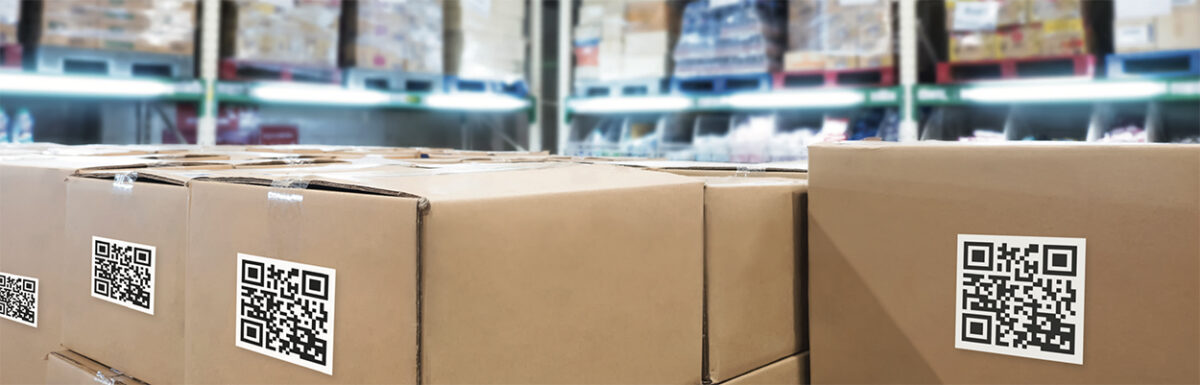
IoT is also being used to optimize supply chain management. By giving manufacturers better visibility into their supply chain, IoT can help them identify inefficiencies, improve planning and forecasting, and reduce waste. This leads to more efficient supply chains and reduced costs.
IoT can also help manufacturers improve quality control. By using sensors and tracking devices to monitor products from production through to delivery, manufacturers can ensure that products are of high quality and meet customer requirements. This can lead to increased customer satisfaction and better business performance.
Overall, IoT is revolutionizing the manufacturing industry by providing manufacturers with new ways to collect and use data. By improving efficiency, supply chain management, and quality control, IoT is helping manufacturers stay competitive in a rapidly changing industry.
Blockchain
Blockchain is a distributed database that records transactions and is resistant to modification. Blockchain has the potential to revolutionize the manufacturing industry by eliminating the need for intermediaries and creating a secure and transparent supply chain. Blockchain can help manufacturers track products from raw materials to finished goods, reducing the risk of counterfeiting and fraud.
For example, blockchain can be used to authenticate luxury goods, ensuring they are genuine and not counterfeit. Similarly, blockchain can be used to track the origin of food products, reducing the risk of foodborne illness.
Artificial Intelligence in Manufacturing
Artificial Intelligence refers to the use of computer algorithms to perform tasks that were previously done by humans. In the manufacturing industry, AI has been used to improve efficiency and reduce the occurrence of defects. AI is also used to optimize supply chains and improve forecasting.
The advantages of AI in manufacturing are numerous. AI improves efficiency by optimizing production processes and reducing downtime. According to a report by McKinsey, AI can reduce equipment downtime by up to 50%. AI also reduces defects by identifying potential issues before they become a problem. A study by Genpact found that AI can reduce defects by up to 80%.
Examples of AI in manufacturing can be found in various industries. Today, AI is used in industries like aerospace, automotive, and healthcare.
Challenges and Opportunities of Technological Advances in Manufacturing
While technological advances in manufacturing present many opportunities, they also pose challenges. One challenge is the cost of implementing new technology. Many businesses are hesitant to invest in new technology due to the high upfront costs.
Another challenge is the disruption that new technology can cause. The introduction of new technology can lead to job loss, as machines replace humans in production processes. This can have a negative impact on the community, leading to resentment and resistance to change.
Despite these challenges, technological advances in manufacturing present many opportunities. New technology can increase efficiency, reduce costs, and improve the quality of products. It can also lead to new jobs and industries, such as the growing field of robotics.
In Conclusion
Technological advances are changing the manufacturing industry in unprecedented ways, creating new opportunities for businesses to compete in the global marketplace. From automation and 3D printing to augmented reality and blockchain, manufacturers are embracing these innovations to streamline their operations, reduce costs, and improve product quality. The future of manufacturing is likely to be a combination of these technologies, creating a more efficient and productive industry. The companies that embrace these advancements and integrate them into their operations will be the ones that thrive in the years ahead.
